Showing posts with label Holige Recipes. Show all posts

Friday, January 13, 2017

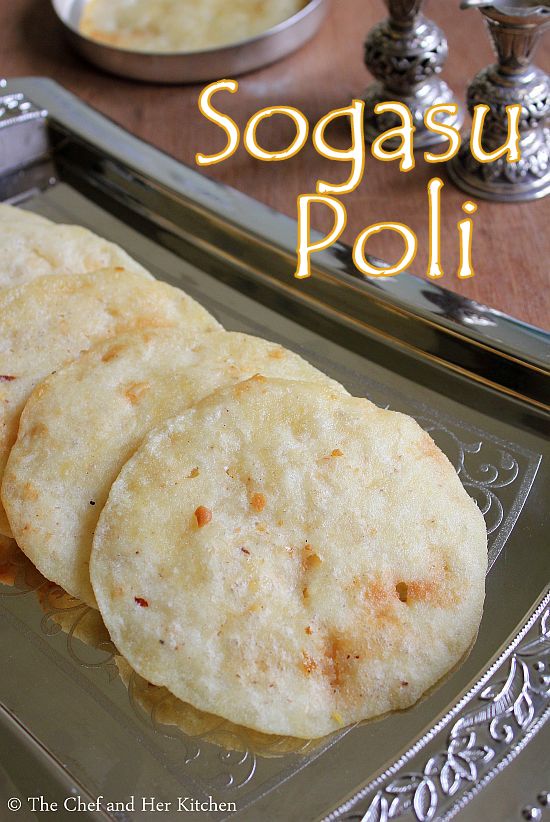
Sogasu Poli | Sogasu Obbattu | Holige Recipes

sogasu poli
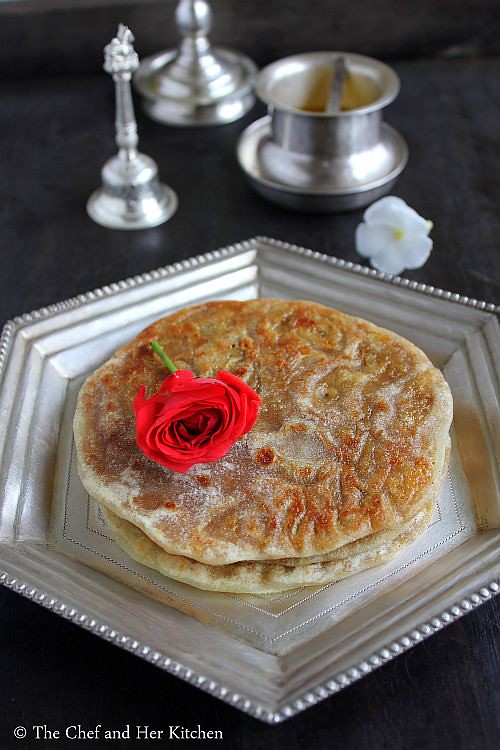
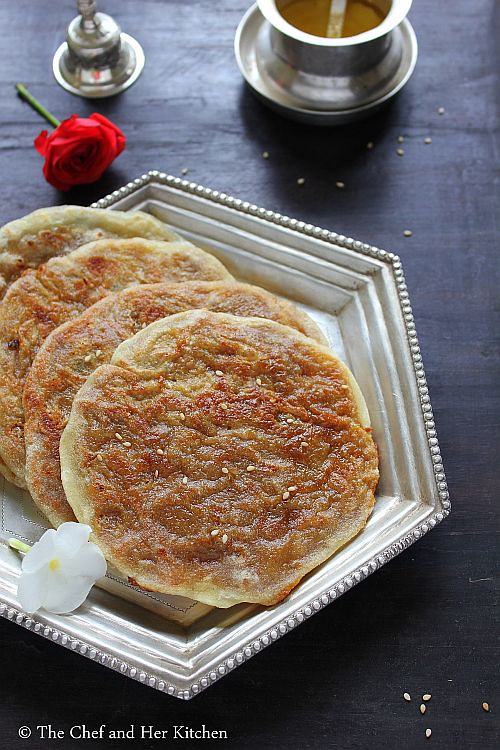
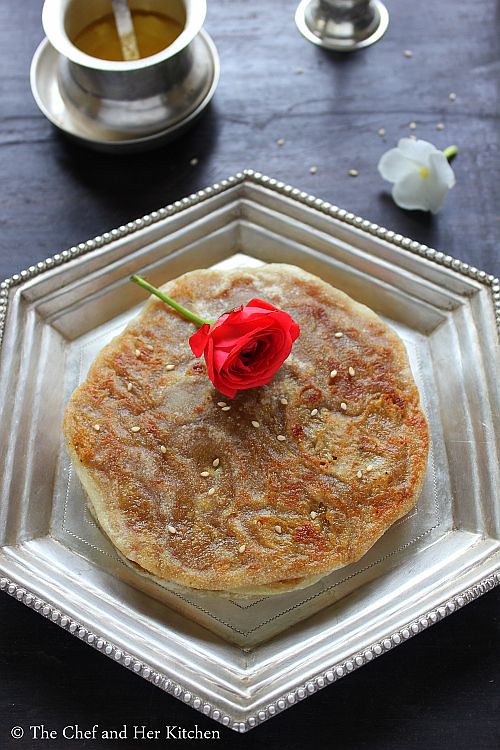
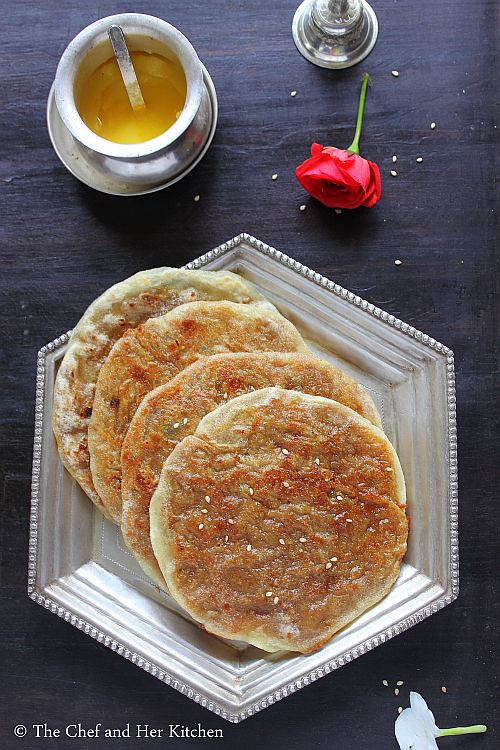
At my mom's place,any major festival is incomplete without a holige and hence we prepare various holige varieties at home.While the most popular one are  Hoornada holige(Pappu Obattu) and Coconut Holige,my mom prepares various other holige varieties like Til Poli(Nuvvula Obbattu), Shenga Holige(Groundnut holige), Dates Holige etc. While these holiges are fried on the tawa there are few holiges which are deep fried like Paala Obattu(Haalu Holige), Sajjige Obattu(Sajjappa),Garugu Obattu, Sogasu Obbattu and every holige tastes best on its own and has its own importance for the festivals.
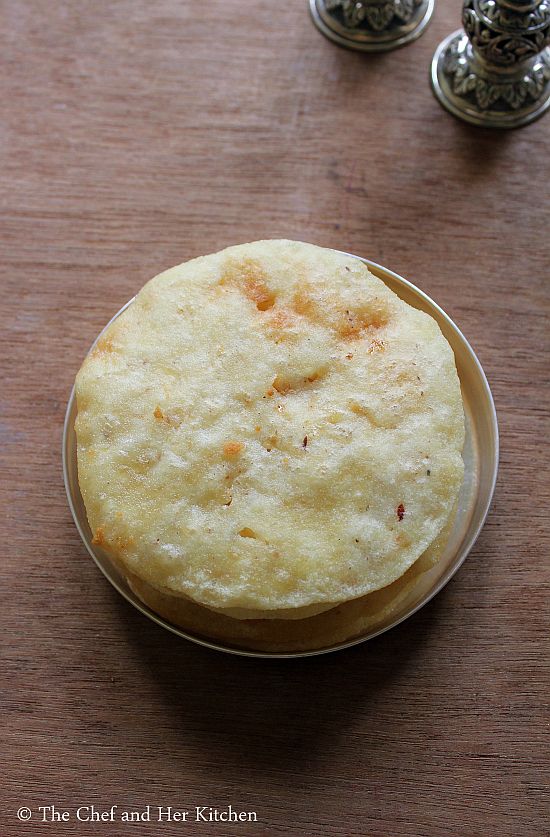
sogasu poli
Today I am posting Sogasu Poli recipe which is very similar to Garugu Obattu and Sajjappa.They all look similar and all are deep fried but the filling,taste and texture of each holige is different from each other. Sogasu Poli and Sajjappa uses rawa filling which is made differently for each holige and where as Garugu Obattu uses rice flour filling.I know that it is very confusing if you are hearing all these names for the first time but once you go through all the recipes you can easily differentiate them.The best part about these holiges is that they can be stored easily up to a week, if they last that long!! These can be made ahead and serve as prashad for Navaratri Golu prasadam too, also tastes best when eaten hot as they are super crisp.This is apparently one of my favorite holiges and would gulp a couple of them at one go.As it is Sankranti tommorow, try this different traditional holige recipe to impress your family.
Check out other Holige recipes in my blog:
sogasu poli
Sogasu Poli | Sogasu Obbattu :
Shelf life: 2 days | Yields: 10-12 polis
Prep time:20 mins | Cooking time:40 mins | Total time:60 mins
Cuisine: South Indian | Category: Sweets

Ingredients:
for Stuffing: 1 cup fine Chiroti(Holige) Rava
1 cup fresh grated Coconut
1 cup Sugar,preferably slghtly fine
1/4 cup finely chopped Cashewnuts
1 tsp Ghee

for kanaka(outer cover):
1 cup Chiroti/Holige rawa(baarik rava)
a fat pinch of Salt
1/2 cup Oil(to soak the kanaka)
Oil for deep frying

Method:

for filling:
  • Mix chiroti rava, fresh grated coconut, chopped cashewnuts and sugar in a large bowl nicely until everything is nicely mixed and keep it aside for 2-3 hours.
  • Now the mixture would have become wet and soft.Mix it nicely again.
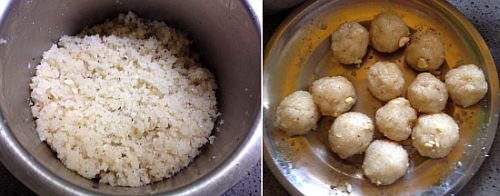
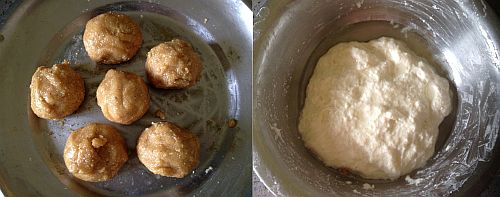
  • Grease your palms with ghee and make big lemon size balls out of the filling and keep them aside.
 for Kanaka:
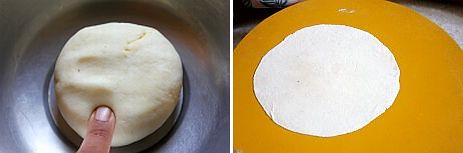
  • Mix chiroti rawa with a pinch of salt to it and add water to it and knead in to a very smooth dough.The consistency of the dough should be very loose than the regular roti dough.
  • Now using your fist hit the dough for few mins to get the softer dough.

      
  • Now place this dough in a deep vessel and pour oil over it until the dough is completely soaked in oil.Let the dough rest for a minimum of 1 hr and up to 2 hrs.Drain the excess oil and use it for other purpose.
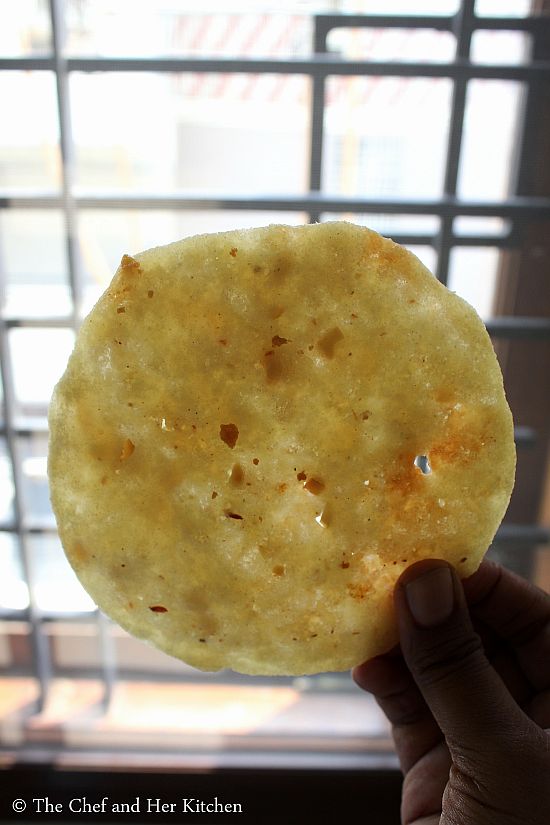
  • See the pics to get to know the consistency of the kanaka.
for making Sogasu Poli:
  • Cut the holige paper into a round and place it on the rolling stone which we use to roll rotis.Grease holige paper or banana leaf or a plastic cover with oil.
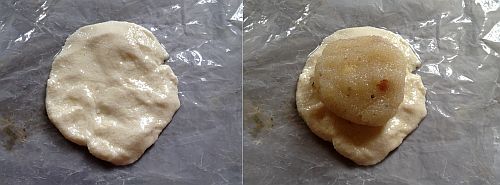
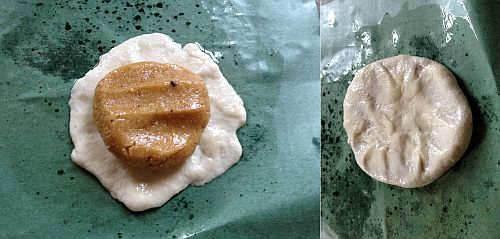
  • Pinch a small amla sized dough and flatten it a bit using your hands as shown in the pics and place one round of filling and seal it properly from all the edges like how we do for parathas.
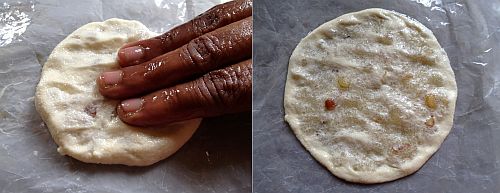
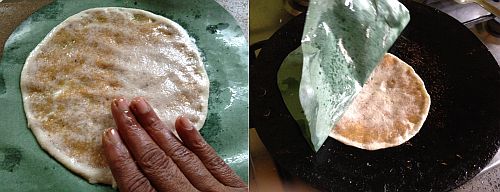
  • Now flatten it slowly with hands to get 3" diameter circle to the size of big pooris.It should not be very thick like paratha nor thin like rotis.See the pictures for clear idea.
  • Meanwhile heat oil for deep frying in a kadai and gently slide the patted holige from the sides into the oil taking care that oil would not splutter.
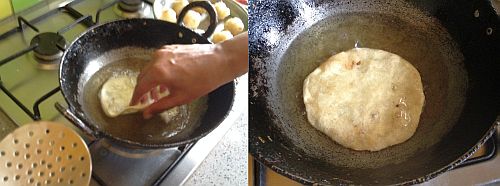
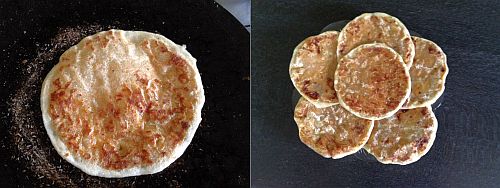
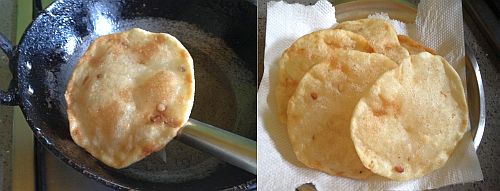
  • Deep fry them until they are slightly brown on both side.
  • Drain them on kitchen towels to remove the extra oil.
  • Repeat the process for making holiges,smear the holige paper liberally with oil and follow the same procedure.
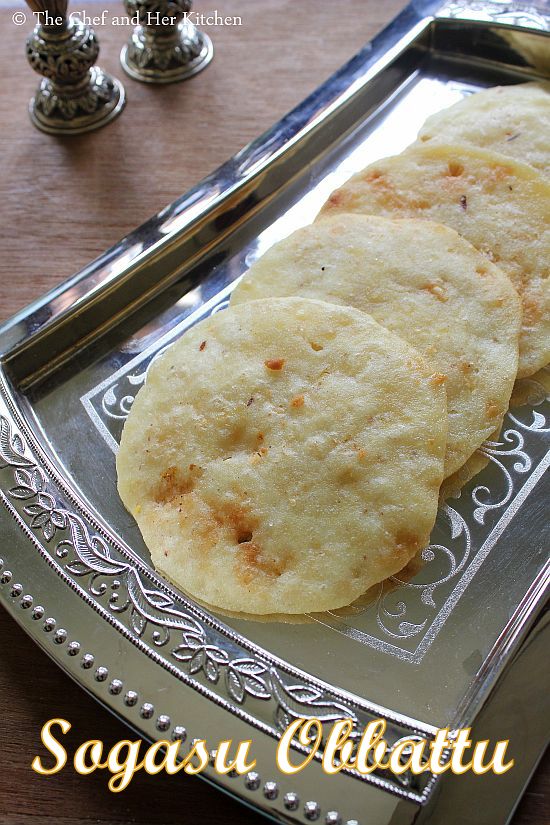
Serve them hot/warm or at room temperature.You can store them at room temperature for upto a week.
Notes:
  1. Always make kanaka before proceeding to make filling which helps in saving time.
  2. As these can be stored for a week you can make them ahead if you want.But the fresh ones are more crispier and tastier.
  3. The addition of nuts is entirely optional but it adds a nice taste to every bite of holige.
  4. If you are a health freak instead of deep frying you can even fry it on tawa like how we do for parathas,they taste still good but the deep fried ones taste anytime better.
sogasu obbattu

Wednesday, October 5, 2016

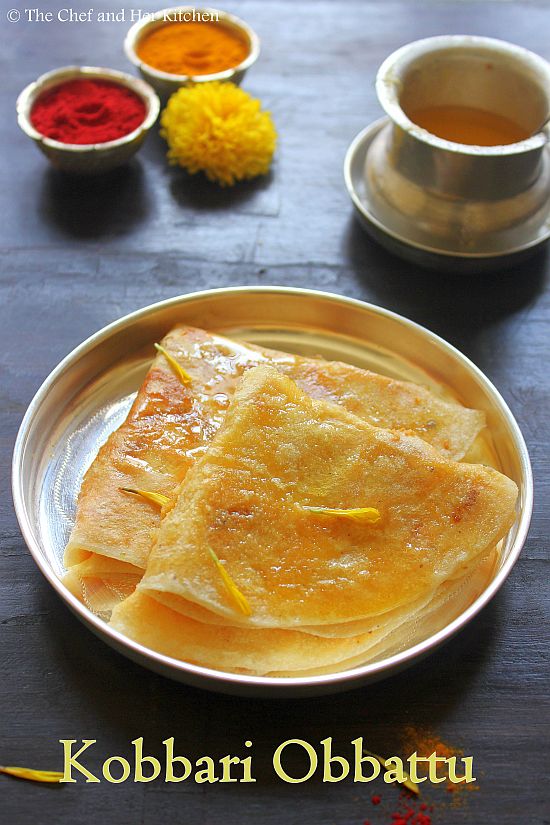
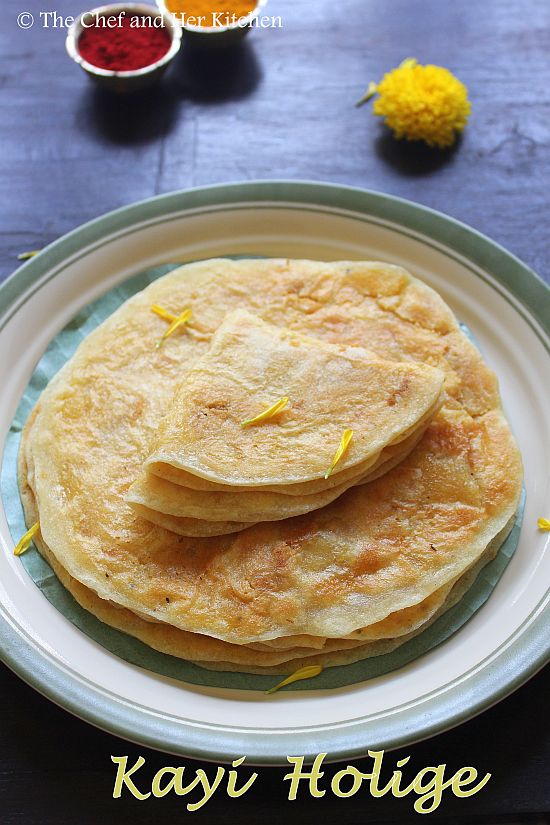
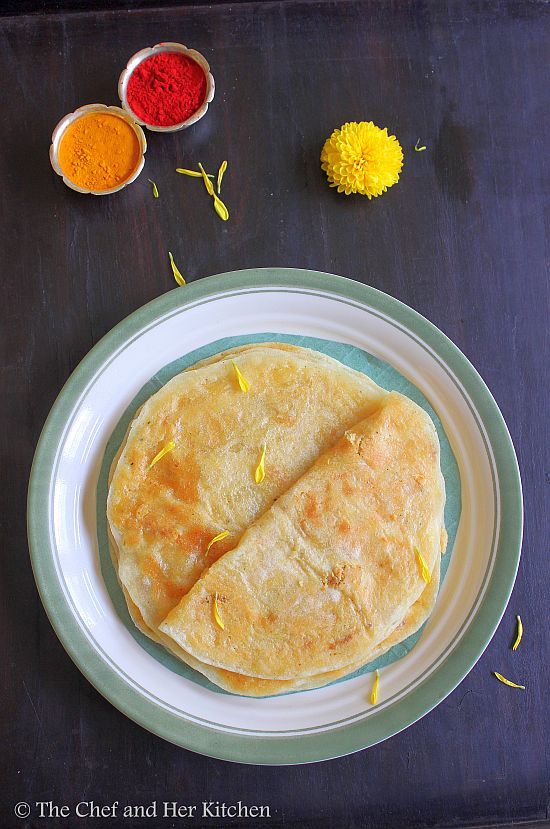
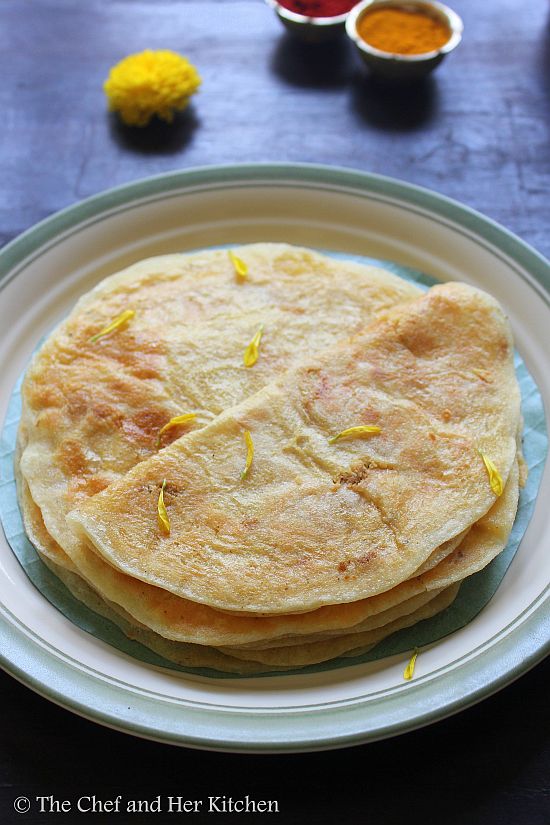
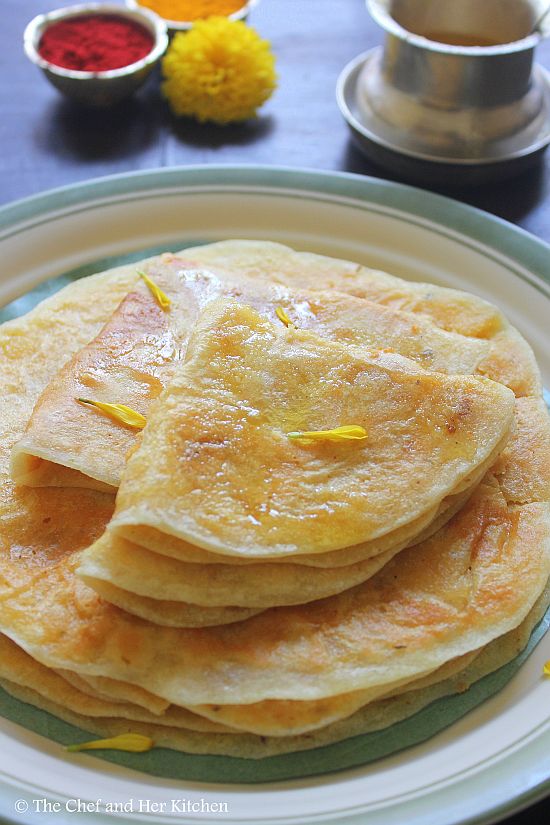
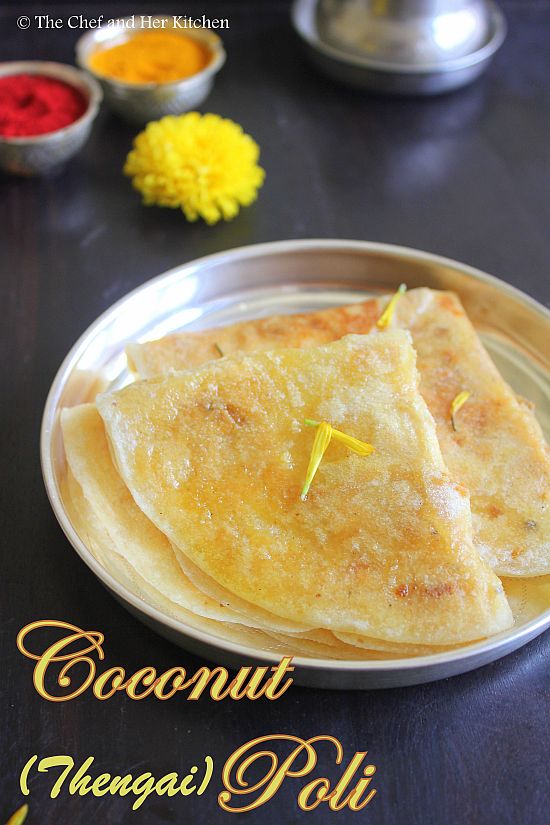
Kayi Holige | Coconut Poli | Kobbari Obbattu(Bobbatlu) | Thengai Poli

kobbari obbattu
Holige is one of the favorite sweets in our family and any festival or occasion is incomplete without holige in the menu.Holige is known as obbattu or poli or bobbatlu in various states of south India.Holige is very versatile when it comes to fillings while the most popular ones are Pappu Obbattu(Bele Holige) and Coconut Pol(Kayi Obbattu).I have already posted various varieties in my blog like Bele holige, Shenga Poli, Til Poli, Puran Poli to name a few but there are various other fillings one can try with like Kharjur, Dry fruits etc.
kayi holige

kobbari obbattu

Kayi Holige or Kobbari Obbattu is prepared most commonly during occasions or festivals in Karnataka.It has longer shelf life and hence can be prepared in bulk and store it upto 10 days in refrigerator.These holiges turn slightly hard when it is cooled down but tastes delicious, one can warm them a bit on tawa or microwave to bring back the softness.It tastes delicious when served hot with a dollop of ghee.
thengai poli
Check out other Holige recipes in my blog:
coconut poli

Kayi Holige | Coconut Poli Recipe:
Yields: 9-10 Polis
Prep time: 30 mins | Cooking time: 30 mins | Total time: 1hr + 1 hr resting time
Cuisine: South Indian | Category: Sweets/Festival Sweets

Ingredients:
Ghee/oil, to fry poli/holige

for outer layer/dough:
1 cup Chiroti rava(or Maida)
a pinch of Salt
1 1/2 tsp ghee, melted
1/3 cup Oil, to soak the dough
Water, to mix the dough

for filling:
1 1/2 cups grated fresh Coconut
3 tbsp Rice, soaked in water for 3 hrs
1 1/4 cup Jaggery
2 Cardamom,seeds

Method:
for outer layer/Dough:
  • Mix chiroti rawa(or maida) with a pinch of salt and ghee and add water to it and knead in to a very smooth dough. The consistency of the dough should be very loose than the regular roti dough, this is the most important step otherwise you will not get softer polis.
  • Now using your fist hit the dough for few mins to get the softer dough or lift the dough and drop it hard into the bowl and repeat it until the dough becomes very smooth.
  • Now place this dough in a deep vessel and pour oil over it until the dough is completely soaked in oil. Let the dough rest for a minimum of 1 hr and upto 2 hrs. Drain the excess oil and use it for other purpose. 
for the filling:
  • Grind soaked and drained rice, grated fresh coconut, jaggery and cardamom seeds to a fine paste. Try to grind it as fine as possible.
  • Cook the mixture in the kadai until the moisture in it evaporates and becomes slightly dry.
  • While the mixture is warm,make big lemon sized balls out of the mixture and arrange them in a plate.
to prepare Coconut Poli:
  • Cut the holige paper into a round and place it on the rolling stone which we use to roll rotis. Grease holige paper or banana leaf with oil.
  • Pinch a small amla sized dough(the amount of dough should be half the quantity of the filling you take) and flatten it a bit using your hands as shown in the pics and place one ball of filling and seal it properly from all the edges like how we do for parathas.Now flatten it slowly with hands to get a thin poli. Alternatively you can roll it like parathas like how we do in between two greased transparent sheets. Adapt the method which ever is convenient for you.
  • Now place the holige paper along with the poli(with poli facing down the tawa)on a hot tawa over the low flame.
  • Let it sit for 20-30 seconds and now peel the holige paper gently scraping it along the edges using a spatula. See the pics to get a clear understanding of it. 
  • Now fry it on both sides applying ghee until light golden in color. Pour the ghee over it, do not try to spread ghee over the poli while frying it. Do not fry it for long time, it will make the polis bit hard so quickly remove it from stove when you get to see the brown patches on it.
  • Repeat the process for making all polis, smear the holige paper liberally with oil and follow the same procedure. 
Serve Coconut Poli hot/warm or room temperature with melted ghee.

Notes:
  1. Kayi holiges will not be soft once they come to room temperature.You can just warm it a bit when you serve if you want soft holige.But it tastes good either ways - soft or crispy.
  2. Kayi holiges can be stored easily upto a week or 10 days when refrigerated.
  3. We add rice to the coconut filling while grinding as it gives binding and also helps in spreading the holige uniformly and also makes the holige crispy yet soft to bite.
  4. You can use even Poha instead of rice in the recipe.
  5. You can avoid rice while grinding and instead you can add a cup of roasted gram powder(putnala podi) while frying coconut mixture(coconut + jaggery + cardamom). Even this version tastes nice.
coconut poli

Monday, October 12, 2015

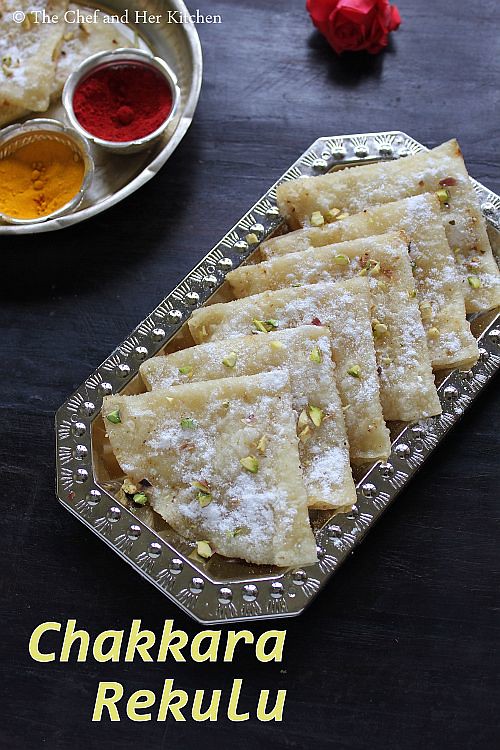
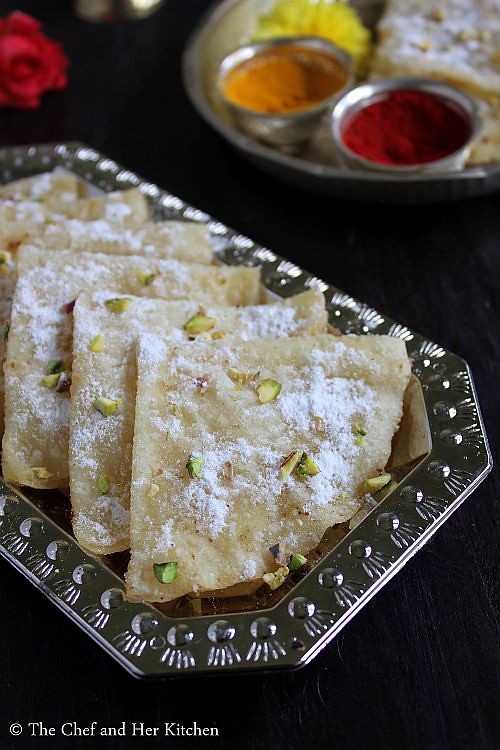
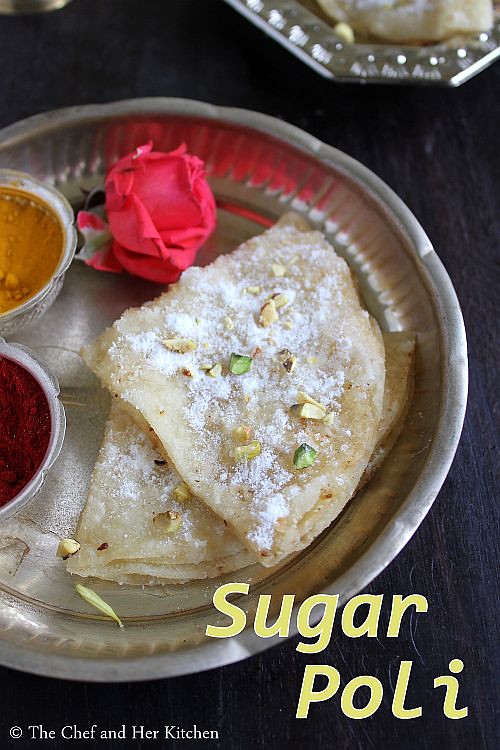
Chakkara Rekulu | Crispy Sugar Poli | Easy Navaratri Sweets Recipes

chakkara rekulu
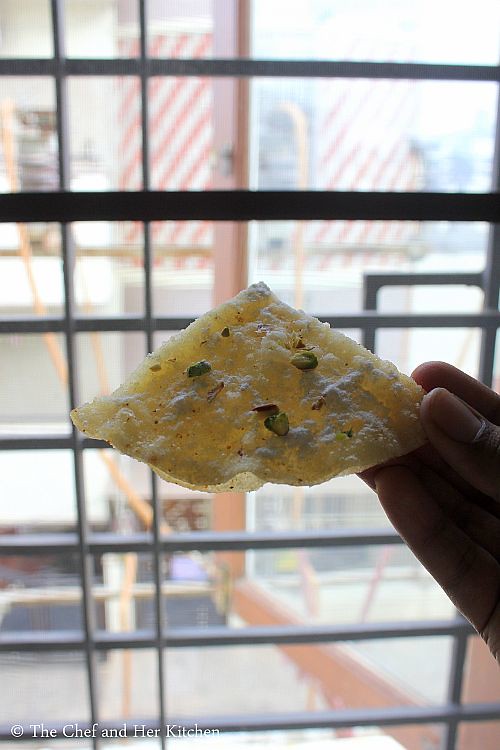
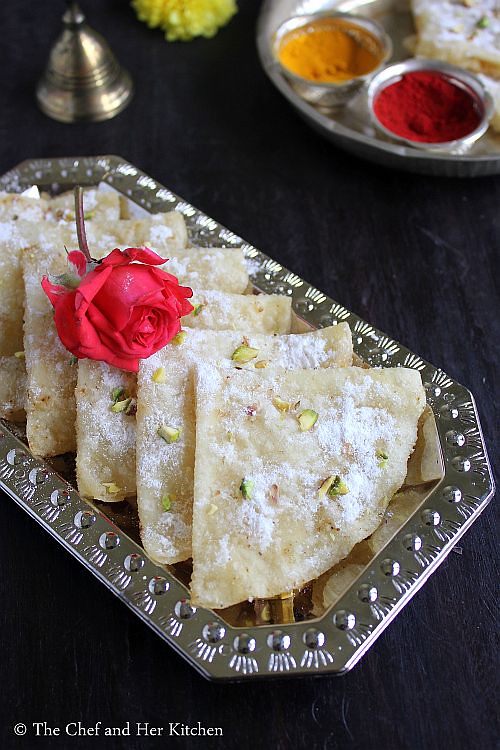
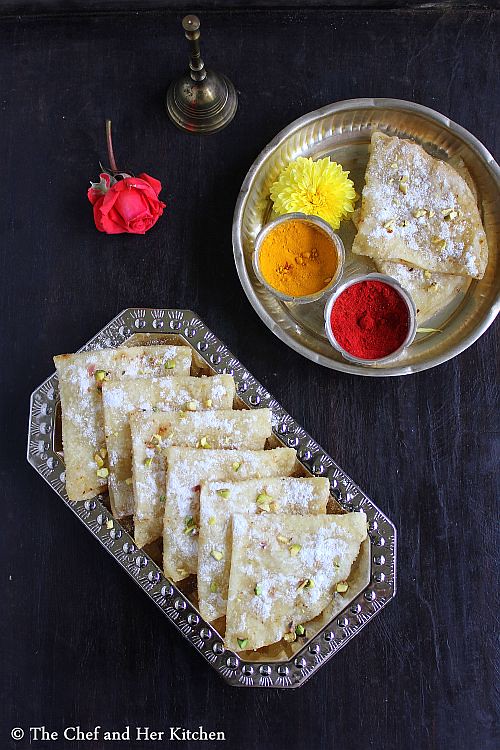
When I started writing this post I was quite confused what I should name this sweet. 'Rekulu' in Telugu means 'Sheets' and as these polis are rolled as thin as a sheet  they got the same name or rather I would say that is what we call them at my place.It is called as 'Rekulu' at my place but I never saw any post on the web when I searched for this sweet.
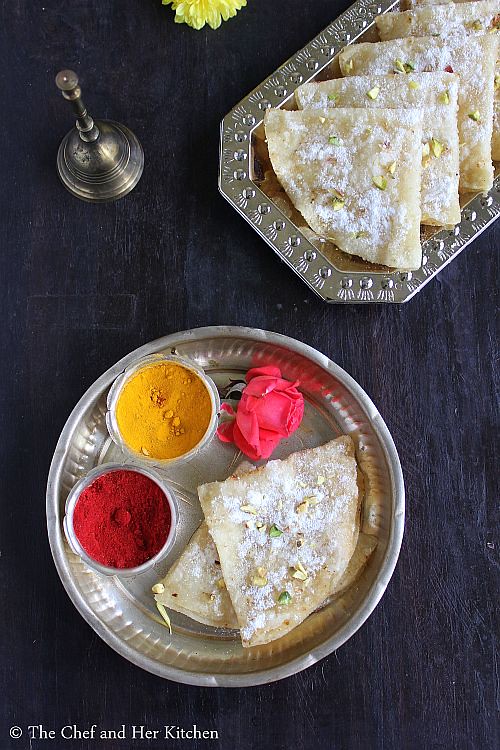
sweet poli
This recipe is quite similar to the Sweet Diamonds but we prepare it in a different shape. We use chiroti rava to prepare the dough and that yields a very crisp poli/puri when deep fried, it actually comes out crispier than a papad. If your rolling skills are good then these polis are very easy to prepare and they can be prepared much ahead and hence it is ideal to serve as a prashad during Navaratri.We usually pair it with a namkeen or sundal and pack it in a polythene and give it in thambulam to the ladies who come for Haldi Kumkum during Navaratri.
sugar poli

chakkara rekulu

If you want various Sundal recipes which can also be served as Prashad during Navratri, then check out this POST where I have posted several varieties of Sundal recipes.
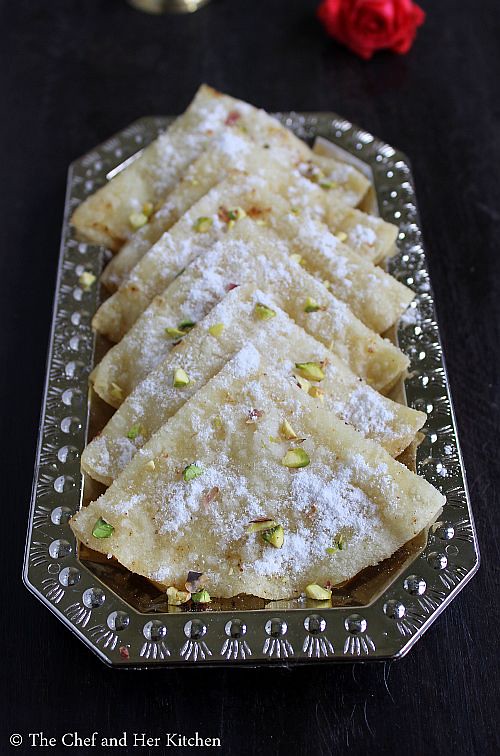
chakkara rekulu

If you are looking for various Poli recipes which can be prepared ahead and can be served as a prashad, then check out these recipes:
  1. Halu Holige | Paal Poori | Paala Obabttu 
  2. Garugu Hollige/ Hollige with rice flour-coconut filling
  3. Til Poli | Nuvvula Bobbatlu
  4. Sajjappa | Sojja Appalu | Halwa Puri
  5. Shenga Holige | Groundnut Obbattu
sweet poli

Chakkara Rekulu | Crispy Sugar Polis:
Yields: 8-10 polis
Prep time: 15 mins | Cooking time: 25 mins | Total time: 40 mins
Cuisine: South Indian | Category: Sweets

Ingredients:
for poli/happala/puri:
1 cup Chiroti Rawa(very fine semolina)
1 tbsp Ghee
a pinch of Salt
Water,to mix 
Rice flour,to roll

to sprinkle:
1/3 cup Sugar
1/2 tsp Cardamom powder

Method:
  • Grind sugar with the cardamom powder to a very fine powder and keep it ready.
  • Take chiroti rawa in a wide bowl and add ghee and salt to it and mix it with finger tips.Add enough water and knead it into a stiff dough which should be similar to poori dough.
  • Smear ghee on top of it and cover it with a lid and leave it aside for half an hour.
                      
  • Take a very small gooseberry sized ball and roll it into a very thin roti of 8" diameter,almost as thin as a papad. Sprinkle rice flour while rolling which makes it quite easy to roll.This is very important step,roll it as thin as possible.   
               
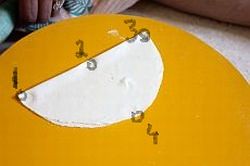
  • Fold the roti into half and press on the four points as shown in the figure below using a fore finger.This will make sure that it does not open up while frying.Fold it again at the center to get a triangular shapes puri.(I have used old set of photos which I used to prepare Paal Poli,hence the final fold is not shown in the picture,but you can get an idea by seeing the final product )
                                                 
  • Roll all the happalas(puris) and spread them separately on a plate or paper.They do not take much time to fry and that is why you need to roll everything before you actually start frying.
  • Heat oil in a kadai(big enough) to fry the happalas, add one happala(puri) at a time and deep fry on low-medium flame until they are crisp on both sides.drain them into a colander.
  • Leave them for 2-3 mins and arrange them individually on a wide plate and sprinkle ground sugar powder liberally on the fried puris/polis on both the sides of the poli.
  • Once they are cool store them carefully in a air-tight container.They stay good and crispy for 10-15 days.
chakkara rekulu
Notes:
  1. Chiroti rava is a very finer variety of rava(sooji) which is usually used in making Holiges.The polis which are made up of chiroti rava are more crispier and tastier.If you do not get access to chiroti rawa you can even grind the regular to a fine powder and use in the recipe or  replace with maida,but they would not be as crispier and tastier as the ones made with chiroti rava.One can even make the happalas with 1:1 proportion of chiroti rava and maida to make happalas.
  2. These polis can be served with Gasgase Payasa and in that case you don't need to sprinkle sugar powder on top of it.
sugar poli

Thursday, September 10, 2015

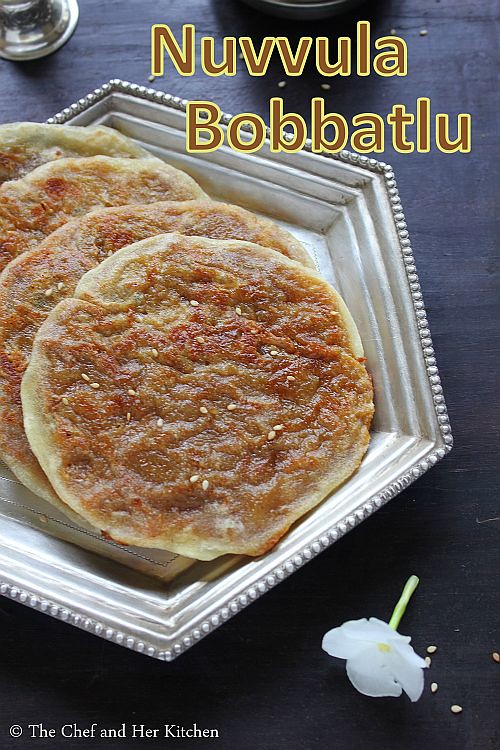
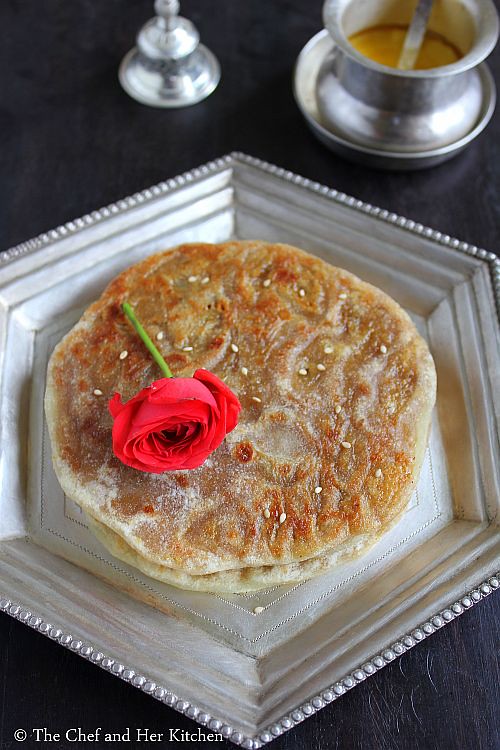
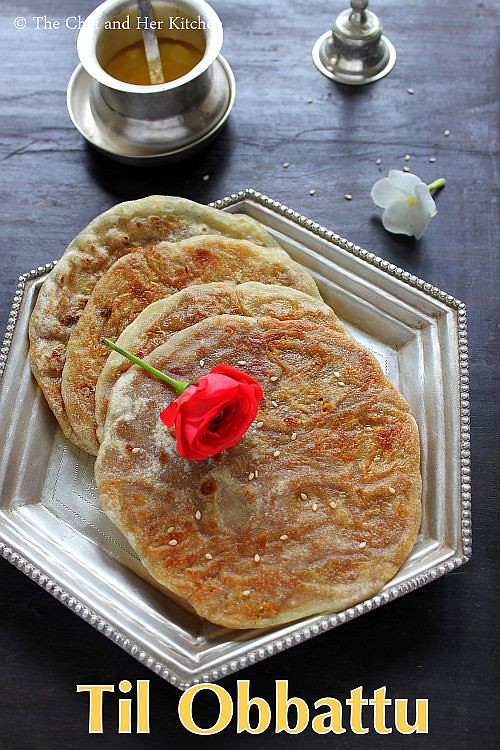
Til Poli | Ellu Holige | Nuvvula Bobbatlu | Sesame Holige

nuvvula bobbatlu
Holige is one of the most favorite sweets in our family and gets featured quite often either on a festival day or we get to eat it when we attend family functions.There are various varieties of Holige and the most popular among them is Pappu Obbattu(Bele Holige) which is our typical community special as the stuffing is made up of toor dal and jaggery and also Coconut Holige. Pappu Obbattu(Bele Holige) has shorter shelf life and has to be consumed in 2-3 days where as Coconut Holige has longer shelf and can be stored upto a week.
til poli

til poli
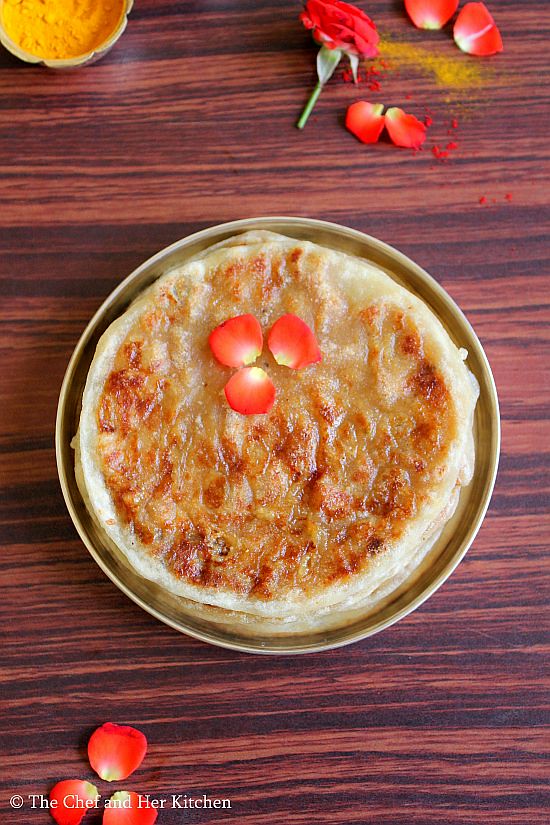
Ellu Holige and Shenga Holige(Groundnut Holige) are North Karnataka specialties and they can also be stored up to a week. These holiges are slightly crispy and soft to bite when they are hot but becomes slightly hard when sits for long, but if you reheat the holige on tawa it turns soft. Try this Ellu Holige recipe for the upcoming Ganesh Chaturthi festival.The filling can be prepared even on the previous day so that it would be easy for you to prepare holiges on the festival day.
In Maharasthra Tilgul Poli is prepared during Sankranti, but that version is slightly different as they use a combination of ingredients like groundnuts,sesame seeds,besan,dry coconut and jaggery for filling which tastes delicious and I would post that version some time later.
ellu holige

Check out other Holige Recipes here:
sesame holige

Sesame Holige | Ellu Holige | Til Poli Recipe
Yields: 9-10 Polis
Prep time: 30 mins | Cooking time: 30 mins | Total time: 1hr + 1 hr resting time
Cuisine: South Indian | Category: Sweets/Festival Sweets

Ingredients:
Ghee/oil, to fry poli/holige

for outer layer/dough:
1 cup Maida or Chiroti rava
a pinch of Salt
1 1/2 tsp ghee, melted
1/3 cup Oil, to soak the dough
Water, to mix the dough

for filling:
1 1/4 cup Sesame seeds
1 cup grated Jaggery

Method:
for outer layer/Dough:
  • Mix flour(maida) or chiroti rawa with a pinch of salt and ghee and add water to it and knead in to a very smooth dough. The consistency of the dough should be very loose than the regular roti dough, this is the most important step otherwise you will not get softer polis.You can add a pinch of turmeric powder to the dough if you want.
  • Now using your fist hit the dough for few mins to get the softer dough or lift the dough and drop it hard into the bowl and repeat it until the dough becomes very smooth.
  • Now place this dough in a deep vessel and pour oil over it until the dough is completely soaked in oil. Let the dough rest for a minimum of 1 hr and upto 2 hrs. Drain the excess oil and use it for other purpose. 
for the filling:                       
    • Dry roast sesame seeds until they turn slightly brown and starts to pop up in the pan. 
    • Grind roasted sesame seeds to a powder in the mixie and then add grated jaggery to it and run it again to get a uniform mixture. The mixture might become sticky which is fine.
    • Store it in air tight container.Make this on the previous day itself to ease up the process on the festival day.
      to prepare Ellu Poli:

      • Cut the holige paper into a round and place it on the rolling stone which we use to roll rotis. Grease holige paper or banana leaf with oil.
      • Pinch a small amla sized dough(the amount of dough should be half the quantity of the filling you take) and flatten it a bit using your hands as shown in the pics and place one ball of filling and seal it properly from all the edges like how we do for parathas. Now flatten it slowly with hands to get 5" diameter circle. Alternatively you can roll it like parathas like how we do in between two greased transparent sheets. Adapt the method which ever is convenient for you
        .
      • Now place the holige paper along with the poli(with poli facing down the tawa)on a hot tawa over the low flame.


      • Let it sit for 20-30 seconds and now peel the holige paper gently scraping it along the edges using a spatula. See the pics to get a clear understanding of it. 
      • Now fry it on both sides applying ghee until light golden in color. Pour the ghee over it, do not try to spread ghee over the poli while frying it. Do not fry it for long time, it will make the polis bit hard so quickly remove it from stove when you get to see the brown patches on it.

      • Repeat the process for making all polis, smear the holige paper liberally with oil and follow the same procedure. 
      Serve the Ellu holige warm or hot with melted ghee.
      nuvvula obbattu

      Notes:
      1. These holiges can be stored upto a week.They turn slightly crispy and hard when it cools down, you can reheat them on tawa before serving for soft holiges.
      2. You can replace sesame seeds with groundnuts and follow the recipe to make palli obbattu,even it tastes delicious.
      3. You can add 1/4 tsp cardamom powder to the sesame filling, but I prefer without it.
      til obbattu

      Tuesday, September 30, 2014

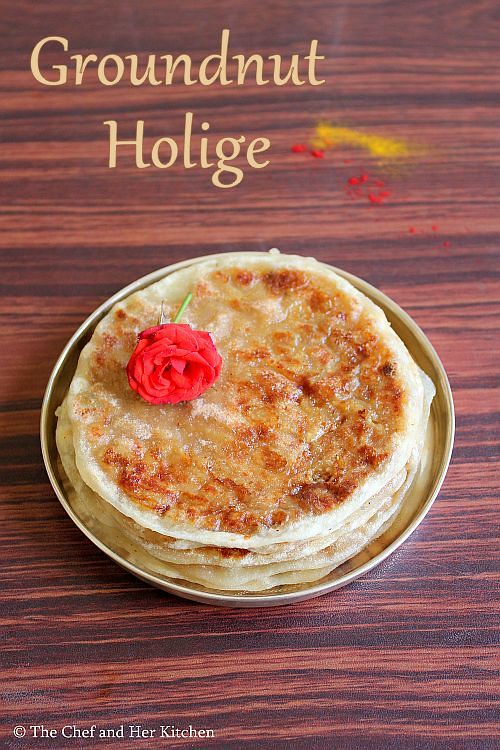
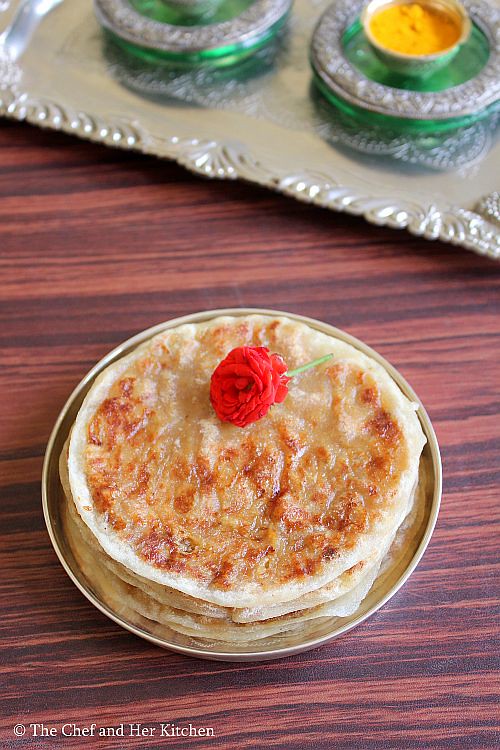
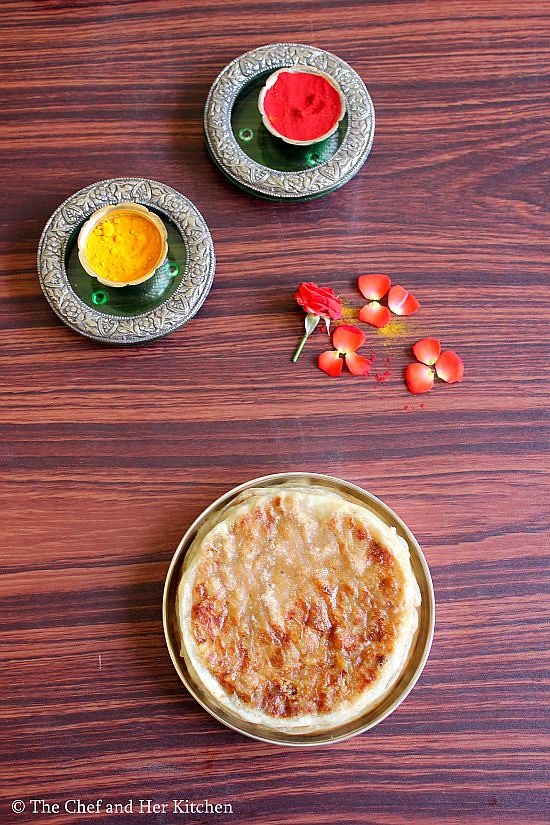
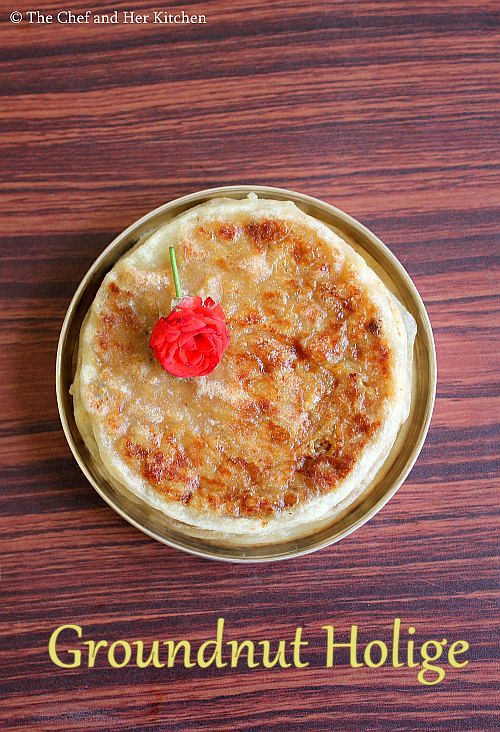
      Groundnut Holige | Shenga Holige | Peanut Poli | Palli Bobbattlu

      groundnut holige
      Holige is one of the most favorite sweets in our family and gets featured quite often either on a festival day or functions.There are various varieties of Holige and the most popular among them is Pappu Obbattu(Bele Holige) which is our typical community special as the stuffing is made up of toor dal and jaggery and Coconut Holige. Pappu Obbattu(Bele Holige) has shorter shelf life and has to be consumed in 2-3 days where as Coconut Holige has longer shelf and an be stored upto a week.
      Groundnut Holige(Shenga Holige) is a North Karnataka speciality and it can also be stored up to a week. Shenga Holige turns slightly crispy once it cools down, but if you reheat it on tawa it turns soft.
      shenga holige
      Check out other Holige Recipes here:
      peanut poli
      Groundnut Holige | Shenga Holige | Peanut Poli Recipe
      Yields: 9-10 Polis
      Prep time: 30 mins | Cooking time: 30 mins | Total time: 1hr + 1 hr resting time
      Cuisine: South Indian | Category: Sweets/Festival Sweets

      Ingredients:
      Ghee/oil, to fry poli/holige

      for outer layer/dough:
      1 cup Maida/Chiroti rava
      a pinch of Salt
      1 1/2 tsp ghee, melted
      1/3 cup Oil, to soak the dough
      Water, to mix the dough

      for filling:
      1 1/4 cup Groundnuts
      1 cup grated Jaggery

      Method:
      for outer layer/Dough:
      • Mix flour(maida) or chiroti rawa with a pinch of salt and ghee and add water to it and knead in to a very smooth dough. The consistency of the dough should be very loose than the regular roti dough, this is the most important step otherwise you will not get softer polis.You can add a pinch of turmeric powder to the dough if you want.
      • Now using your fist hit the dough for few mins to get the softer dough or lift the dough and drop it hard into the bowl and repeat it until the dough becomes very smooth.
      • Now place this dough in a deep vessel and pour oil over it until the dough is completely soaked in oil. Let the dough rest for a minimum of 1 hr and upto 2 hrs. Drain the excess oil and use it for other purpose. 
      for the filling:              

                                              
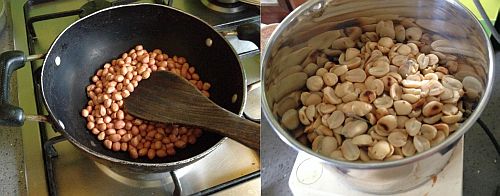
      • Dry roast groundnuts until they turn slightly crispy and has some black patches.Taste one groundnut and check whether it is roasted completely or not.Let them cool.Rub your palms thoroughly on the groundnuts to remove their skin and separate the peeled skin and groundnuts.
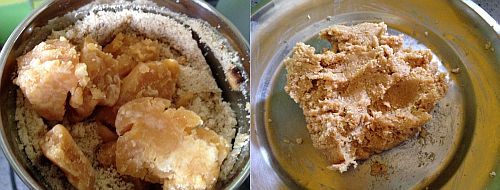
      • Grind roasted and skinned groundnuts to a powder in the mixie and then add grated jaggery to it and run it again to get a uniform mixture.The mixture might become sticky which is fine.
      • Store it in air tight container.Make this on the previous day itself to ease up the process on the festival day.
      to prepare Shenga Poli:

      • Cut the holige paper into a round and place it on the rolling stone which we use to roll rotis. Grease holige paper or banana leaf with oil.
      • Pinch a small amla sized dough(the amount of dough should be half the quantity of the filling you take) and flatten it a bit using your hands as shown in the pics and place one ball of filling and seal it properly from all the edges like how we do for parathas.Now flatten it slowly with hands to get 5" diameter circle. Alternatively you can roll it like parathas like how we do in between two greased transparent sheets. Adapt the method which ever is convenient for you
        .
      • Now place the holige paper along with the poli(with poli facing down the tawa)on a hot tawa over the low flame.


      • Let it sit for 20-30 seconds and now peel the holige paper gently scraping it along the edges using a spatula. See the pics to get a clear understanding of it. 
      • Now fry it on both sides applying ghee until light golden in color. Pour the ghee over it, do not try to spread ghee over the poli while frying it. Do not fry it for long time, it will make the polis bit hard so quickly remove it from stove when you get to see the brown patches on it.


      • Repeat the process for making all polis, smear the holige paper liberally with oil and follow the same procedure. 
      Serve the Shenga poli warm or hot with melted ghee.

      shenga poli

      Notes:
      1. These holiges can be stored upto a week.They turn slightly crispy and hard when it cools down, you can reheat them on tawa before serving for soft holiges.
      2. You can replace groundnuts with sesame seeds and follow the recipe to make nuvvula obbattu,even it tastes delicious.
      3. You can add 1/4 tsp cardamom powder to the groundnut filling.
      groundnut holige

       
      back to top